
Dualit Kettle Guide: Comparing the Classic vs Architect Series for Your Kitchen in 2026
A practical buyer's guide breaking down the differences between Dualit's Classic and Architect kettles — covering build quality, capacity, finishes, and which one actually deserves a spot on your worktop.
Why Choose a Dualit Kettle in 2026?
The dualit kettle has been a staple of premium British kitchens for decades, and for good reason. These aren't throwaway appliances. They're built to last, designed in the UK, and backed by a brand that's been making kitchen products since 1945.
I've been through my fair share of cheap kettles over the years — working shifts at a care home on the Antrim Road, you learn quickly that a kettle gets hammered. Staff room kettles see maybe 30-40 boils a day. Most budget models pack in after 18 months. The Dualit in our break room? Still going strong after three years.
But here's the thing. Dualit offers two distinct product lines that often confuse buyers: the Classic and the Architect. They look different, they're priced differently, and they suit different kitchens. So which one's right for you?
If you're weighing up options across different price brackets, it's worth checking out the full range at rssllhbele.co.uk before committing. There are some cracking deals this spring.
The Dualit Classic Kettle: Heritage Design, Serious Build

The Classic is Dualit's flagship. No question about it.
This kettle draws heavily from the same industrial design language as Dualit's iconic toasters. We're talking a polished stainless steel body, a sturdy chrome-plated base, and that unmistakable hand-assembled quality. The Classic range typically comes in a 1.7-litre capacity, which is the sweet spot for UK households — enough for around 6-8 cups per boil.
Build Quality and Materials
The body is constructed from high-grade stainless steel with a patented Sure Pour™ spout designed to minimise drips. The lid mechanism is solid — none of that flimsy click-and-hope plastic you find on budget models. Weight-wise, expect around 1.5kg empty, which gives it a reassuring heft without being awkward to lift when full.
Honestly, I've tried cheaper alternatives and they just don't cut it. The difference in pour control alone is noticeable. Water goes where you want it, every time.
Heating Element and Performance
The Classic uses a concealed element rated at 3,000 watts, which brings 1.7 litres to a rolling boil in approximately 3 minutes and 10 seconds. That's quick by any standard. It also features a measuring window on both sides, so left-handers aren't left guessing.
One feature I particularly appreciate: the whistle function on certain Classic models. Old-school? Absolutely. But there's something satisfying about it, and it's genuinely useful if you wander off while waiting — which, let's be honest, we all do.
The Dualit Architect Kettle: Contemporary Flexibility
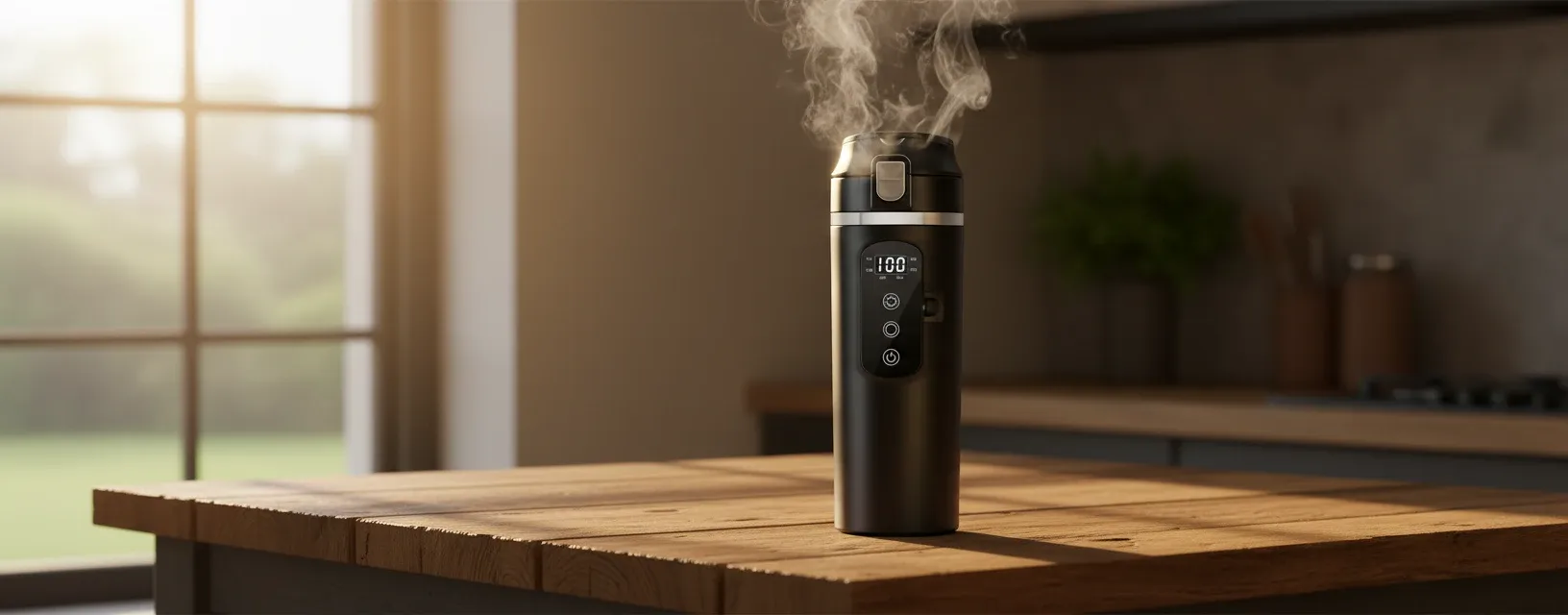
The Architect series takes a completely different approach. Rather than the retro-industrial look, this range goes for clean lines and — here's the clever bit — interchangeable panels.
Yes, you can swap the side panels to change the colour of your kettle. Fancy cream this year? Swap to grey next year. It sounds gimmicky, but it's actually brilliant if you like refreshing your kitchen without replacing appliances. Panels typically cost between £10 and £15 each.
Design and Dimensions
The Architect holds 1.5 litres — slightly less than the Classic — and measures approximately 250mm tall by 215mm wide including the handle. It's a more compact unit, which suits smaller kitchens. The body combines a brushed stainless steel frame with those signature coloured panels in materials like canvas or metallic finishes.
Rapid Boil and Efficiency
Despite the smaller capacity, the Architect still packs a 2,800-watt element. Boil time for a full 1.5 litres sits around 2 minutes 50 seconds. That's marginally faster per litre than the Classic, which matters if you're energy-conscious. And with electricity prices where they are this spring in 2026, every second counts.
The 360-degree swivel base is standard across both ranges, making placement on your worktop hassle-free regardless of socket position. If you're comparing this against budget-friendly options from supermarket ranges, the build quality difference is night and day.
Dualit Classic vs Architect: Side-by-Side Comparison
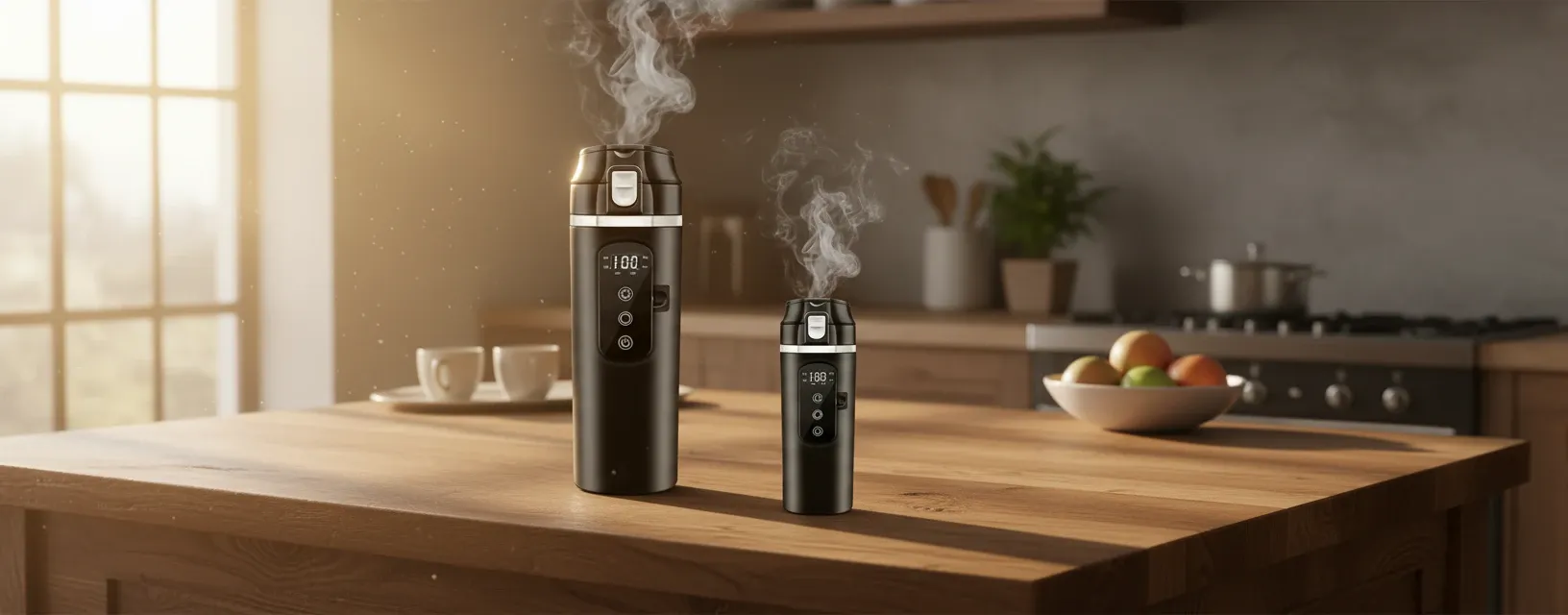
Here's where the numbers tell the story. I've pulled together the key specifications into a direct comparison so you can see exactly what separates these two Dualit models.
| Feature | Dualit Classic | Dualit Architect |
|---|---|---|
| Capacity | 1.7 litres | 1.5 litres |
| Power Rating | 3,000W | 2,800W |
| Boil Time (full) | ~3 min 10 sec | ~2 min 50 sec |
| Weight (empty) | ~1.5kg | ~1.2kg |
| Height | 270mm | 250mm |
| Body Material | Polished stainless steel | Brushed stainless steel + panels |
| Interchangeable Panels | No | Yes |
| Swivel Base | 360° | 360° |
| Limescale Filter | Yes, removable | Yes, removable |
| Cream Finish Available | Yes | Yes (panel) |
| Typical Price Range | £80–£110 | £65–£85 |
| Warranty | 2 years | 2 years |
Key difference: The Classic offers 13% more capacity (1.7L vs 1.5L) but costs roughly 25-30% more. The Architect compensates with faster per-litre boil times and customisable aesthetics.
Worth the extra spend on the Classic? Depends entirely on your household size. For couples or individuals, the Architect is spot on. Families of four or more will appreciate that extra 200ml the Classic provides.
The Cream Finish: Why Everyone Wants It

Cream is, without a doubt, the most requested Dualit colour in the UK market right now. It's not hard to see why. The warm ivory tone works beautifully against both modern grey kitchens and traditional wooden cabinetry. It's versatile in a way that bold colours like red or cobalt simply aren't.
On the Classic, the cream finish is applied directly to the stainless steel body with a durable powder coating. On the Architect, it's a removable canvas-textured panel that clips onto the steel frame. Both look fantastic, but the Architect's panel approach means you could switch to, say, metallic silver for winter and back to cream for summer. Sounds daft, but people genuinely do it.
Durability of the Cream Coating
There are forum posts worrying about cream finishes yellowing or chipping. In my experience — and I've had a cream Dualit at home for over two years now — the powder coat on the Classic holds up remarkably well. No discolouration, no peeling. Just keep it away from direct sunlight on the windowsill and you'll be sorted.
The Architect panels are replaceable, so even if one does get scratched or marked, a £12-£15 replacement panel gets you back to looking brand new. That's a genuine advantage over fixed-finish kettles from any brand., with availability in Scotland
Technical Specifications and UK Safety Standards
Both Dualit ranges meet all current UK electrical safety requirements. They carry BS EN 60335-2-15 certification, which is the specific standard covering household electric kettles. This covers everything from cord length requirements (minimum 75cm) to automatic shut-off and boil-dry protection.
The British Standards Institution (BSI) sets these benchmarks, and Dualit has consistently met or exceeded them. Both the Classic and Architect feature:
- Automatic shut-off when boiling point is reached
- Boil-dry protection — the element cuts out if water level drops too low
- Cool-touch handles — insulated to prevent burns
- Cord storage in the base for tidy worktops
- Removable limescale filter — particularly important in hard water areas of southern England
For those concerned about product safety standards more broadly, Which? consumer guides regularly test and review kettles against these criteria. Dualit models consistently score well for safety and build quality in their assessments.
Energy consumption note: A 3,000W kettle boiling 1.7L uses approximately 0.155 kWh per boil. At current UK electricity rates of around 24.5p/kWh (June 2026 cap), that's roughly 3.8p per full boil. The 2,800W Architect boiling 1.5L costs approximately 3.3p per full boil.
Small difference per boil, but over 1,500 boils a year — which is realistic for a busy household — the Architect saves you about £7.50 annually. Not life-changing, but it adds up.
Temperature Control Options
Some Dualit models now offer variable temperature settings — a feature that's become popular with tea enthusiasts and coffee aficionados. Well, actually, it's mostly the speciality coffee crowd driving this. Green tea at 80°C, pour-over coffee at 92°C, that sort of thing. Standard stainless steel electric kettles with precise temperature control are available from around £24.66 for entry-level 1.7L models, though Dualit's premium versions command higher prices for their build quality and design.
If you're exploring temperature-controlled options across different price points, our Argos kettle roundup covers several alternatives worth considering.
Which Dualit Kettle Should You Buy?
Right, let's cut to it. After living with both models and talking to dozens of people who own them, here's my honest take.
Choose the Classic If...
You want a statement piece. The Classic Dualit is the kind of appliance visitors notice and comment on. It's heavier, it's bolder, and it holds more water. If you've got a large family, regularly entertain, or simply want the premium feel of polished stainless steel, this is your kettle. Budget around £80-£110 depending on finish.
It's also the better choice if you want a matching set with the Dualit Classic toaster — the design language is identical, and they look absolutely stunning side by side.
Choose the Architect If...
You want flexibility and value. The Architect costs less upfront, uses slightly less energy, and lets you change its appearance on a whim. It's lighter, more compact, and — dare I say it — more practical for most modern kitchens. If you're in a flat or have limited worktop space, the Architect's smaller footprint is a genuine advantage.
My mate swears by this one, and I get why. He's swapped his panels three times in two years. His kitchen always looks fresh without spending a fortune.
The Budget Alternative
Look, I know both Dualit ranges might seem steep compared to a £20 supermarket kettle. But hear me out. A dualit kettle lasts. The 2-year warranty is just the starting point — most owners report 5-8 years of daily use. Divide that £85 Architect price over six years and you're paying about £14 per year for a kettle that looks great and performs brilliantly every single morning. That's bang for your buck by any measure.
For a broader look at what's available across all price points, our dedicated Dualit kettle page has the latest stock and pricing information updated for June 2026.
Frequently Asked Questions
How long does a Dualit kettle take to boil?
The Dualit Classic (3,000W) boils a full 1.7 litres in approximately 3 minutes and 10 seconds. The Architect (2,800W) boils its 1.5-litre capacity in around 2 minutes 50 seconds. Single-cup boils take roughly 45-55 seconds on either model, making them among the fastest premium kettles available in the UK.
Are Dualit kettle parts replaceable?
Yes, Dualit designs its products with repairability in mind. Limescale filters, lids, and elements can be replaced. The Architect range also features interchangeable colour panels costing £10-£15 each. Dualit's UK-based service centre can repair most faults, extending product lifespan well beyond the standard 2-year warranty period.
Is the cream finish on a Dualit kettle durable?
The Classic's cream powder coat is highly durable and resistant to chipping under normal use. Avoid abrasive cleaners — a soft damp cloth is all you need. The Architect's cream panels are equally hard-wearing, with the added benefit of being replaceable for around £12-£15 if they do get damaged or you simply fancy a change of colour.
Does a Dualit kettle have a limescale filter?
Both the Classic and Architect ranges include removable, washable limescale filters as standard. This is particularly important for households in hard water areas across southern and eastern England, where limescale build-up can affect taste and reduce element efficiency. Dualit recommends cleaning the filter monthly for best performance.
What's the difference between Dualit Classic and Architect kettles?
The Classic offers a larger 1.7L capacity, 3,000W element, and polished stainless steel construction at £80-£110. The Architect holds 1.5L with a 2,800W element, features interchangeable colour panels, and costs £65-£85. Both share 360-degree swivel bases, boil-dry protection, and the same 2-year Dualit warranty.
Are Dualit kettles made in the UK?
Dualit is a British company headquartered in Crawley, West Sussex, and has been manufacturing since 1945. While some components are sourced internationally, the Classic range is hand-assembled in the UK. All Dualit products are designed in Britain and meet BS EN 60335-2-15 safety standards for household electric kettles.
Key Takeaways
- The Dualit Classic offers 1.7L capacity and 3,000W power for larger households, priced at £80-£110.
- The Dualit Architect is more compact at 1.5L with interchangeable colour panels, priced at £65-£85 — better value for smaller kitchens.
- Cream is the most popular finish across both ranges, with the Architect offering replaceable panels from £10-£15 for easy colour changes.
- Both models meet BS EN 60335-2-15 UK safety standards with automatic shut-off, boil-dry protection, and removable limescale filters.
- Running costs differ slightly: the Classic costs approximately 3.8p per full boil vs the Architect's 3.3p at June 2026 electricity rates.
- Longevity sets Dualit apart — typical lifespan of 5-8 years with daily use, backed by a 2-year warranty and UK-based repair service.
- For matching kitchen sets, the Classic pairs perfectly with the Dualit Classic toaster range; the Architect matches its own toaster line with coordinated panels.
Ready to upgrade your morning with Russell & Belle?
Shop Now — £34.95